High Performance Teams in Healthcare
Team development for healthcare professionals. Your team learns through games, simulations, and interactive discussion, with growth mindset at the core.
Safe to fail, quick to learn
High performing care teams speak up early, admit mistakes, and learn from them together. That takes psychological safety, and it takes an environment built on purpose. This workshop gives your team a low-stakes place to practice both.
What your team works on
Abilities grow through effort and feedback. Teams that believe this take on hard problems and keep improving.
Everyone on the team can raise a concern, ask a question, or report an error without fear of blame.
You treat near misses and mistakes as information, talk about them openly, and change the process that allowed them.
Clear, closed-loop communication across roles, shifts, and units, where most breakdowns in care begin.
The norms, rituals, and leadership behaviors that let a high performing team form and stay that way.
How the session runs
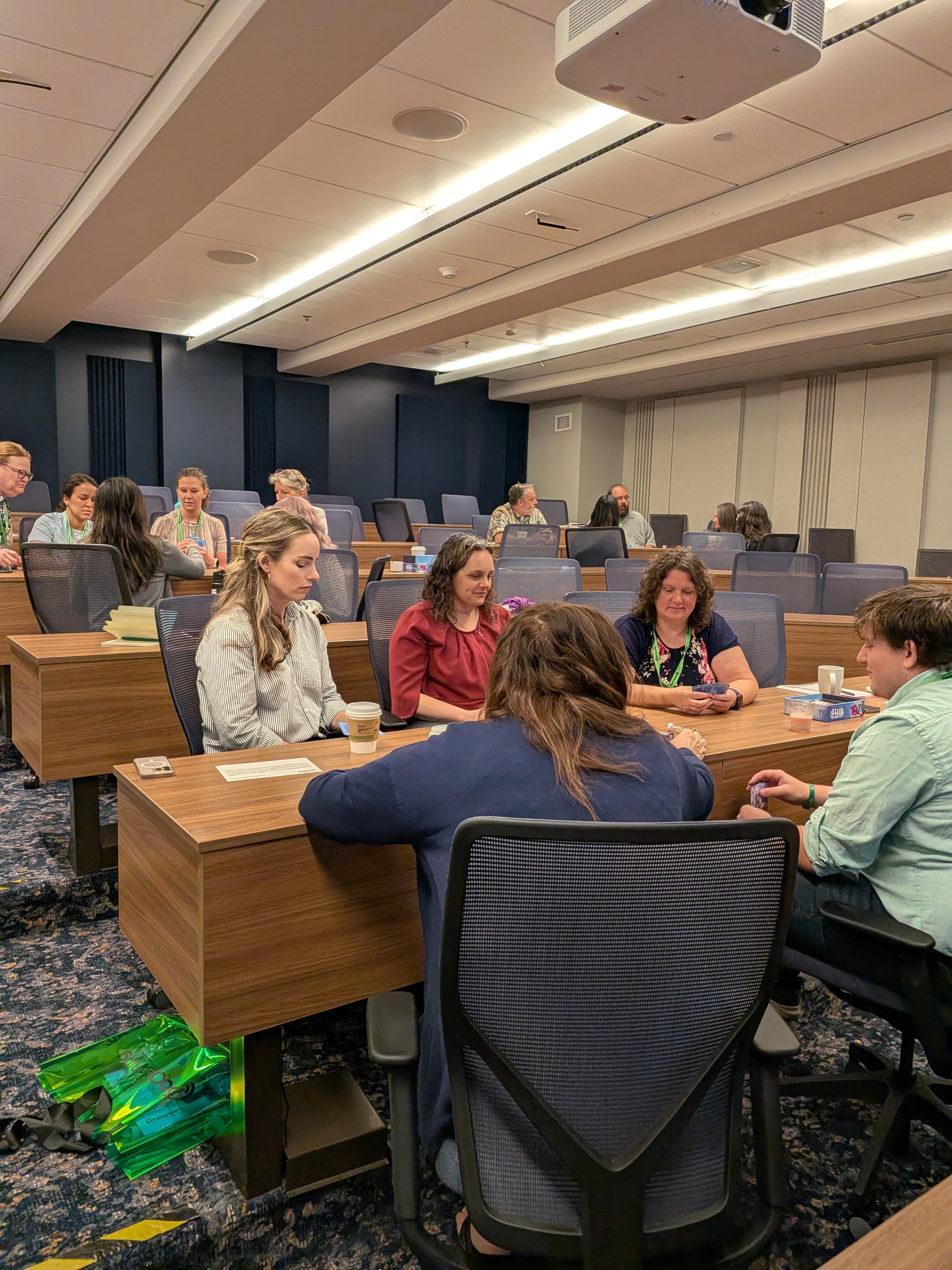
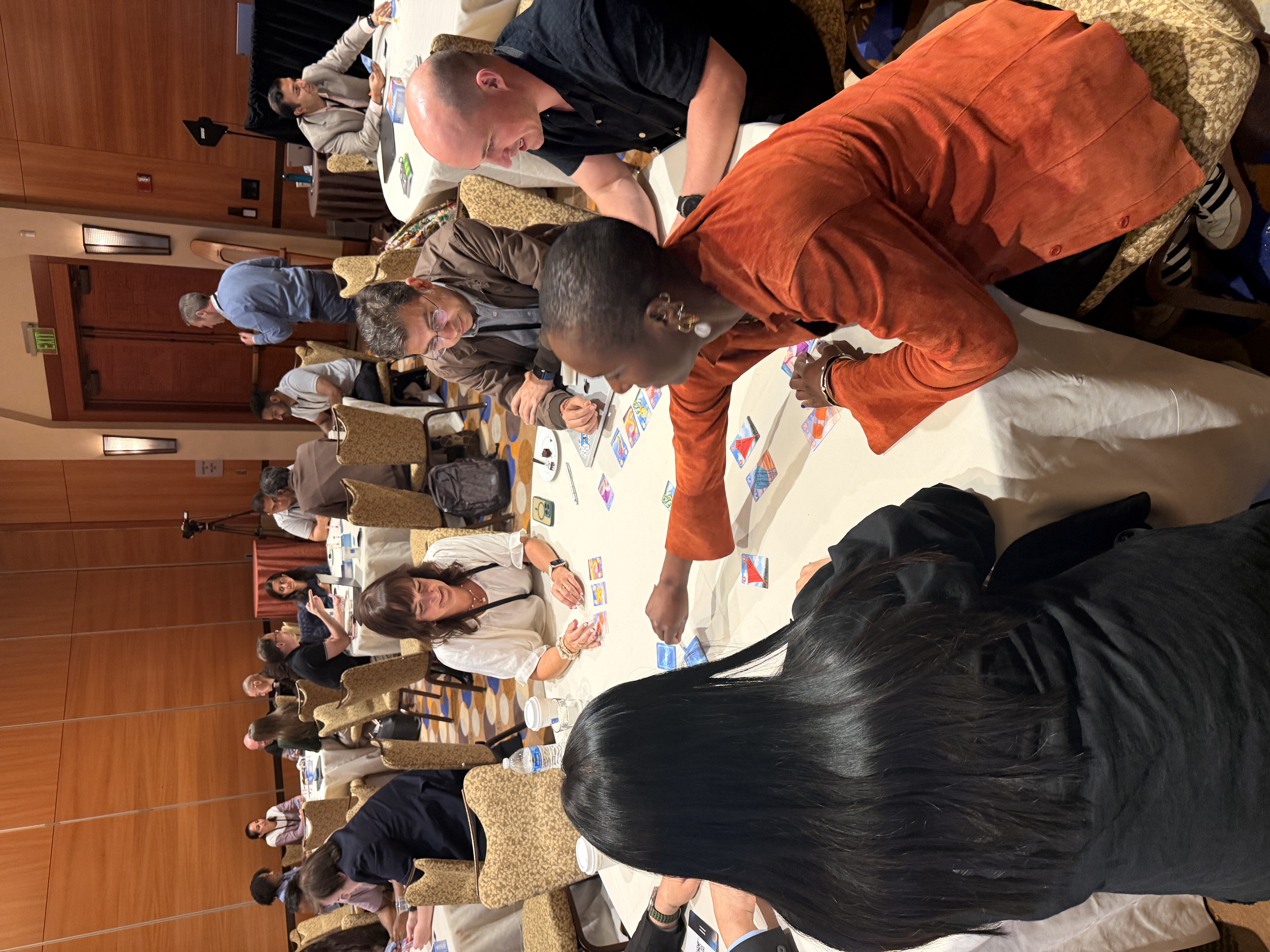
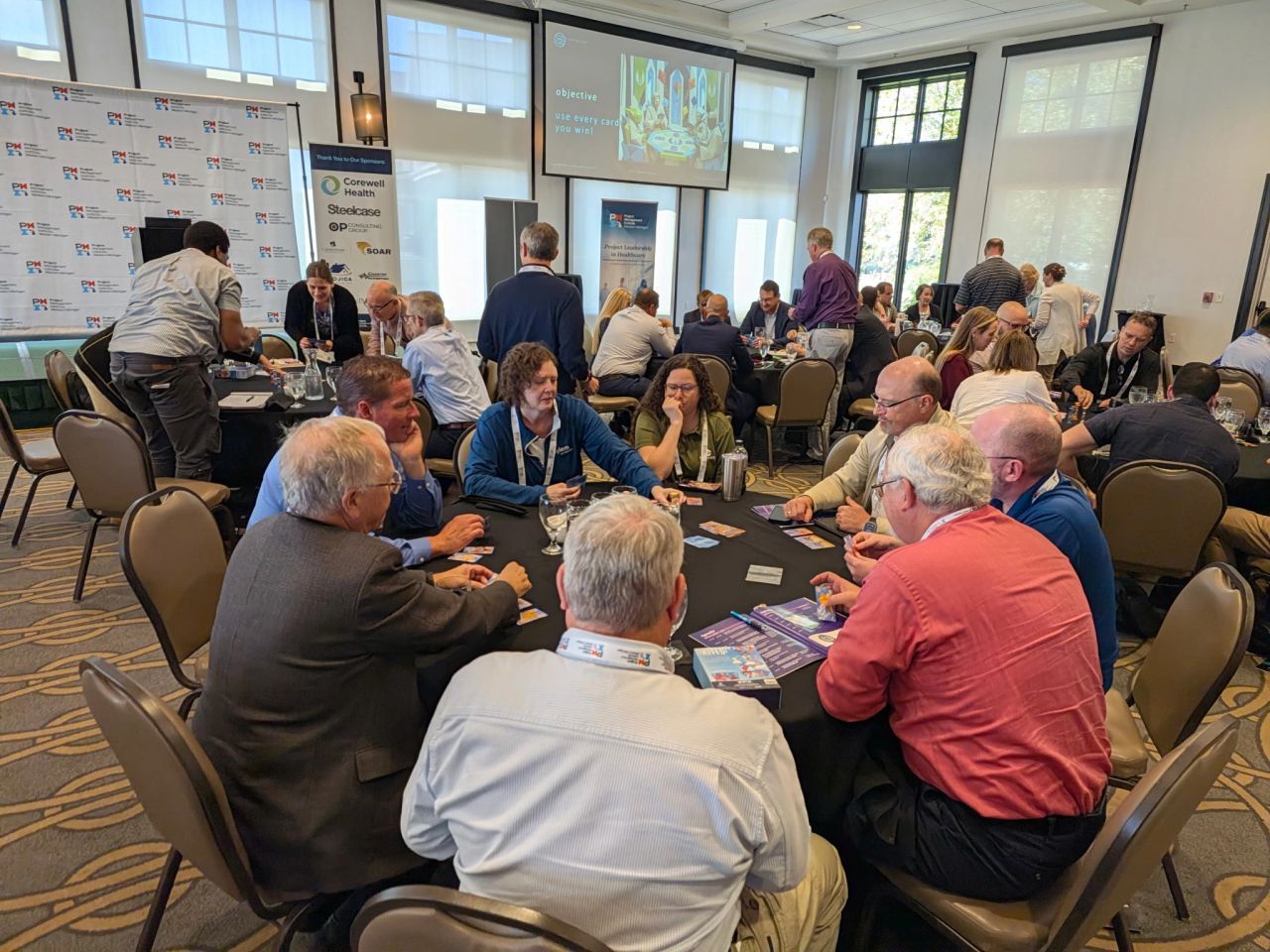
Short competitive games surface how the team actually communicates and decides.
Realistic scenarios let the team fail, recover, and try again without patient risk.
Guided debriefs connect what happened to the habits of high performing teams.
Agenda
Full day shown. The half day keeps the opening, two of the three game and simulation blocks, and the action plan. Conference sessions run one game with a debrief.
Introductions, goals for the day, and a quick read on how safe the team feels speaking up today.
A timed team game that rewards trying, failing, and adjusting. The debrief connects each round to fixed and growth mindset.
Small groups compare their best and worst team experiences and name the behaviors that made the difference.
A care scenario where key information is spread across roles. Teams succeed only when everyone shares what they know.
Teams pass work between shifts under time pressure, then rebuild the handoff together and run it again.
A game built to produce mistakes. Teams practice a blame-free review and turn each failure into a change.
Each team agrees on the norms and habits it will keep, and what leaders will do to protect them.
Each team leaves with three changes to try in the next two weeks and a way to check whether they worked.
What your team leaves with
Growth mindset is at the core. Cultivating an optimal team environment makes it happen.
Who it's for
Nursing units, physician groups, allied health, and clinical leadership teams. Also suited to hospital administration, quality, and patient safety groups.